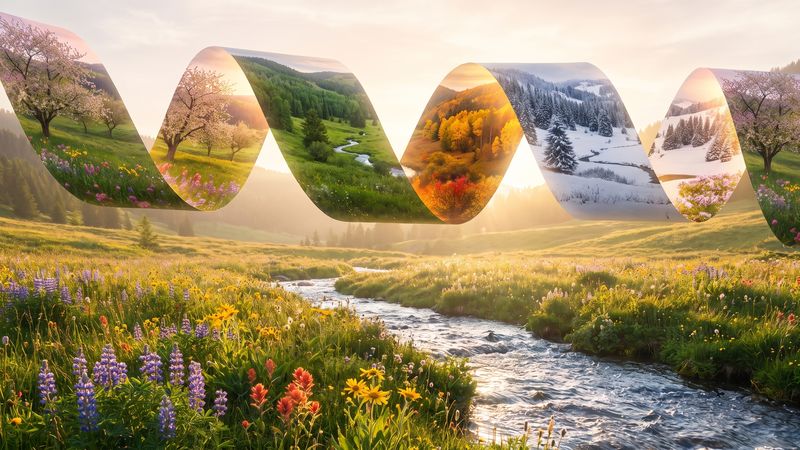
World models in 2026: places you can walk through, lives still to come
World models now generate explorable places that hold together for minutes. The next frontier is behaviour over years, many lives at once, and results checked against a reality the model has never seen.
Twenty years ahead: forecasting how long people live, on years nobody had read
Living Worlds' life expectancy forecasts, frozen twenty years back and scored once on years no run had seen: met for women and for men on the latest national figures, not met against 2024 national figures or across 155 countries, with honest intervals for women and a stacked UN model that did not help.

Families from lived records: children and siblings, counted before the answers were read
A population lived month by month in the United States from 1950 matched how many children Americans have had and how many brothers and sisters they report, closer than a frontier model answering from what it has read. The father's side, first counted through partnerships, missed, and became the next test.

Emulating the Earth: what AI weather teaches simulation of lives
Learned weather models are now operational, faster and often more skilful than physics on ordinary days, and weaker on record-breaking ones. The habits that made them trustworthy, daily scoring against what happened and honesty about extremes, are what simulation of lives and economies needs next.